Advanced Materials for Optics and Photonics: Chemistry and Engineering Perspectives (AMOP-2026)


April 16th-18th 2026 Namangan, Uzbekistan

Namangan State Technical University

What we do Submit Paper & Registration Important
Event will start in
days
hours
minutes
seconds

Dear Colleagues!

On April 16 — 18, 2026, Namangan State Technical University hold international scientific and practical conference: Advanced Materials for Optics and Photonics: Chemistry and Engineering Perspectives

Welcome to AMOP 2026

International Conference on Advanced Materials for Optics and Photonics: Chemistry and Engineering Perspectives (AMOP-2026) will be held by Namangan State Technical University from April 16th to 18th, 2026. The conference is supported by the Academy of Sciences of the Republic of Uzbekistan, Fergana State University, Namangan State University, Tashkent State Technical University, Samarkand State University, Karshi State University, Belarusian National Technical University, Belarusian State University, EGE University, University of Malaya, International Islamic University of Malaya, Novosibirsk State University, and Osh University of Technology.

This conference aims to provide a platform for presenting the latest research advancements and exploring future developments in the fields of optical materials, photonics, and related engineering disciplines. The event will focus on innovative research in chemistry, engineering, and their applications in optics and photonics, including areas like quantum optics, sustainable materials, photonic systems, and more. The conference encourages interdisciplinary research and knowledge exchange to contribute to national and international advancements in photonic technologies, artificial intelligence, energy applications, and other cutting-edge fields.

All researchers are invited to submit their articles based on recent scientific achievements. AMOP-2026 will be indexed in the Scopus database.

The accepted papers will be published in the Proceedings of SPIE – The International Society for Optical Engineering, and the published proceedings are planned to be indexed in the Scopus database.

IMPORTANT DATES

Submission Deadline:

March 14th, 2026

Notification Deadline:

March 25th, 2026

Registration Deadline:

April 1st, 2026

Conference Dates:

April 16th–18th, 2026

AMOP-2026
about img

Conference Topics:

  1. Optical and Photonic Materials
  2. Applied Chemistry in Photonics
  3. Quantum Optics and Photonic Engineering
  4. AI and Computational Methods in Optical Materials
  5. Photovoltaics and Sustainable Photonic Materials
  6. Micro- and Nano-Optics for Advanced Applications
  7. Optomechanical and Multifunctional Optical Systems
  8. Advanced Optical Materials: Synthesis and Engineering
  9. Chemistry of Photonic Materials
  10. Photonic Materials for Energy Applications: Engineering Solutions
  11. Optomechanics and Engineering of Optical Systems

Welcome to the International Conference on Advanced Materials for Optics and Photonics: Chemistry and Engineering Perspectives. We are delighted to welcome you to the International Conference on Advanced Materials for Optics and Photonics: Chemistry and Engineering Perspectives. This prestigious event serves as a global platform for researchers, scientists, and engineers to exchange knowledge, discuss innovations, and explore the latest advancements in optical and photonic materials.

Join us as we delve into cutting-edge research in chemistry, engineering, and material sciences, driving the future of optics and photonics. We look forward to your participation and valuable contributions!

About the Conference
The International Conference on Advanced Materials for Optics and Photonics: Chemistry and Engineering Perspectives brings together leading researchers, scientists, and engineers to discuss the latest developments in optical and photonic materials. This conference provides a platform for exchanging knowledge, exploring new research directions, and fostering collaborations in the fields of chemistry, engineering, and material sciences for photonics.

Conference Themes
Optical and Photonic Materials
Applied Chemistry in Photonics
Quantum Optics and Photonic Engineering
AI and Computational Methods in Optical Materials
Photovoltaics and Sustainable Photonic Materials
Micro- and Nano-Optics for Advanced Applications
Optomechanical and Multifunctional Optical Systems
Advanced Optical Materials: Synthesis and Engineering
Chemistry of Photonic Materials
Photonic Materials for Energy Applications: Engineering Solutions
Optomechanics and Engineering of Optical Systems

Why Attend?
Engage with top experts and leading researchers in optics and photonics.
Gain insights into cutting-edge advancements in photonic materials and engineering.
Present and discuss your research with a global audience.
Network with scientists, engineers, and industry professionals.
Explore potential collaborations and funding opportunities.

PUBLICATION

The submission Web page for AMOP-2026.

______________________________________________________________________

The manuscript should follow the IMRaD format 

Section Purpose
Title What the paper is about
Authors Names and affiliations of authors
Keywords Words other than those in title that best describe the paper
Abstract A stand-alone, short narrative of the paper
Introduction Why this paper? The problem, what is not known, the objective of the study
Materials and methods How was the study done?
Results What did you find?
Discussion What does it mean? What next? Interpretation of results and future directions
Conclusion Possible implications
Acknowledgments Who helped and how; what was the funding source?
References Details of papers cited
Appendices Supplementary materials

ORIGIN, MOTIVATION AND CONTRIBUTION

Papers which are prepared for publishing should be original research manuscripts, never published before and not under consideration for publication in any other conference proceeding (journal etc.). All papers are supposed to present novel research results of international interest. Papers need to be related to the main topic of the conference and conference topic fields. We publish papers written in good English only. All papers are reviewed by a native speaker. All papers are thoroughly checked for plagiarism. Acceptable minimum of originality is 90%. All papers should be not less than 6 pages (recommended 8-12 pages).

ETHICS

Please read the detailed  Publication Ethics . (Elsevier recommendations and COPE’s Best Practice Guidelines for Journal Editors). If a paper contains figures or tables taken from other sources, the author must get the respective permission for reproduction them from the corresponding publishers.

AUTHORSHIP

Number of authors in a single paper is not limited. The corresponding author is the person chosen within the group to be responsible for all contact and correspondence with the periodical. The corresponding author should ensure that all appropriate co-authors (and no inappropriate co-authors) are included in the paper, and that all co-authors have seen and approved the final version of the paper and agree on its submission for publication.

HOW TO PREPARE DOC FILES FOR UPLOAD

The conference language and the paper language is English. Make sure that all text elements, formulas, tables, signs and inscriptions in figures are in English. The Greek alphabet is valid only in formulas. All references mentioned in the Reference List are cited in the text, and vice versa. References can only be linked via Crossref if they are correct and complete. The manuscript must be in DOC (or DOCX) file. Make sure that your paper in MS Word is in strict accordance to the author’s template (The author’s template will be available later).

MANUSCRIPT FORMAT

The manuscript should follow the IMRAD format

Title
The title may be reprinted in bibliographies and subject indexes, stored in bibliographic databases and cited in other articles. Therefore, the title is an extremely important component of the paper. A good title of a research paper should:

• Limit to 12 words
• Be easy to understand
• Describe the contents of the paper accurately and specifically
• Avoid abbreviations and jargon
• Not include any verb
• Not contain low-impact words such as ‘‘Some notes on..’’ ‘‘Investigations on..’’ ‘‘Study of..’’
• Report the subject of the research rather than the results
• Follow the style preference of the target journal.

Abstract

The Abstract is a short version of the full paper. 150–250 words. The Abstract starts with a statement of rationale and objectives and reports the methods used, the main results including any newly observed facts, and the principal conclusions and their significance. The Abstract should not contain:
• Abbreviations or acronyms
• References to tables or figures in the paper, Literature citations
• General statements

1 Introduction

Introduction defines the nature and extent of the problems studied, relates the research to previous work (usually by a brief review of the literature clearly relevant to the problem), (‘‘Studies showed that …’’), or (‘‘Studies have shown that …’’). Introduction explains the objectives of investigation (‘‘The objective of the current study was…’’) and defines any specialized terms or abbreviations to be used in what follows. Introduction leads logically to the hypothesis or principal theme of the paper. Do not repeat well-known facts nor state the obvious.

2 Materials and Methods

The purpose of this section is to present what has been done, how, and when, and how the data were analyzed and presented. This section should provide all the information needed to allow another researcher to judge the study or actually repeat the experiment. The section should include the following:
• Description of the study location (climate, soil, etc., to the extent such information is relevant to the study)
• Materials used, with exact technical specifications.
• Assumptions made and their rationale
• Statistical and mathematical procedures used to analyze and summarize the data.
Methods followed should be described, usually in chronological order, with as much precision and detail as necessary. Standard methods need only be mentioned, or may be described by reference to the literature. If the method is new it should be described in detail.

3 Results

This section presents the new knowledge; therefore, it is the core of the paper. The value of the paper depends on what is contained in this (Results) section, and it must be presented in an absolutely clear manner. It is usually easiest to follow the results if they are presented in the same order as the objectives are presented in the Introduction. Some guidelines on presenting the results :
• Present the results simply and clearly
• Report only representative data rather than (endlessly) repetitive data
• Do not report large masses of data; reduce them to statistically analyzed summary forms and present in tables or figures along with essential statistical information to facilitate understanding and comparing them
• Repeat in the text only the most important findings shown in tables and graphs; in other words, do not repeat in the text all or many of the data presented in tables and figures
• Include negative data —what was not found—only if useful for interpreting the results
• Include only tables and figures that are necessary, clear, and worth reproducing.
Tables and figures are an integral part of a well-written scientific paper, and they appear in the Results section (but there are exceptions). While tables present accurate numbers, figures show trends and features. Do not present the same data in tables and graphs.

4 Discussion

This is the section where the authors explain meanings and implications of the results. The section pulls everything together and shows the importance and value of the work and is therefore the most innovative and difficult part of the paper to write. The authors’ skill in interpreting the results in the light of known facts and using the results as evidence for innovative explanations of the observed behavior should push the frontiers of knowledge and arouse the readers’ enthusiasm. Without such an engaging discussion, the reader may leave saying ‘‘So what?’’ and move on to other, more interesting papers. A good discussion should:
• Not repeat what has already been said in the review of literature
• Relate the results to the questions that were set out in the Introduction
• Show how the results and interpretations agree, or do not agree, with current knowledge on the subject, i.e., previously published work
• Explain the theoretical background of the observed results
• Indicate the significance of the results
• Suggest future research that is planned or needed to follow up
• Deal with only the results reported in the study
• Stay away from generalizations and conjectures that are not substantiated by the results presented.
Mismatch between stated objectives and discussion/conclusion is a very common problem in many manuscripts. Often, authors make superficial statements such as ‘‘this work agrees with the work of author X (some unknown author’s work)’’ as though the objective of research was to see if the results agreed with some other author’s work published 20 or more years earlier. Another common problem in Discussion sections is the tendency to move away from the stated objectives and try to ‘‘solve all problems.’’ Here is the example of how differently the results obtained in a scientific research can be interpreted

The story is about the elementary school science experiment to show the  danger of alcohol:
The teacher set up two glasses, one containing water and the other containing gin. A worm was dropped into each glass. The worm in gin died immediately while the worm in water swam around merrily.
When the teacher asked the pupils what the experiment showed,
little Johnny blurted out
 ‘‘If you drink gin, you won’t have worms.’’

Conclusions

Conclusions that have been drawn from the results and subsequent discussion. Conclusions should, rather than just repeating results, state well-articulated outcomes of the study and briefly suggest future lines of research in the area based on findings reported in the paper. In poor writing, it is not uncommon to find conclusions such as ‘‘more research is needed before conclusions can be drawn.’’ In that case, why publish a paper from which conclusions cannot be drawn?

References

References are cited in the text by square brackets [1]. Two or more references at a time may be put in one set of brackets [3, 4]. The references are to be numbered in the order in which they are cited in the text (e.g., “as discussed by Smith [9]”; “as discussed elsewhere [9, 10]”). All references should be cited within the text; otherwise, these references will be automatically removed. The recommended quantity of references is 15-25. The cited papers should be relatively recent (not older than 15 years!)

Cited by the Springer


Plagiarism Policy

Any act of plagiarism is a totally unacceptable academic misconduct and cannot be tolerated. The conference team will be checking the plagiarism level of all the submitted papers for ensuring the originality of content using iThenticate with an acceptable limit of 20%.

PARTNERS

Namangan State Technical University

Academy of sciences of the Republic of Uzbekistan

Fergana State University

Namangan State University

Tashkent State Technical University

Samarkand State University

Karshi State University

Belarusian National Technical University

Belarusian State University

EGE University

University of Malaya

International Islamic University of Malaya

Novosibirsk State University

Osh University of Technology

SPEAKERS

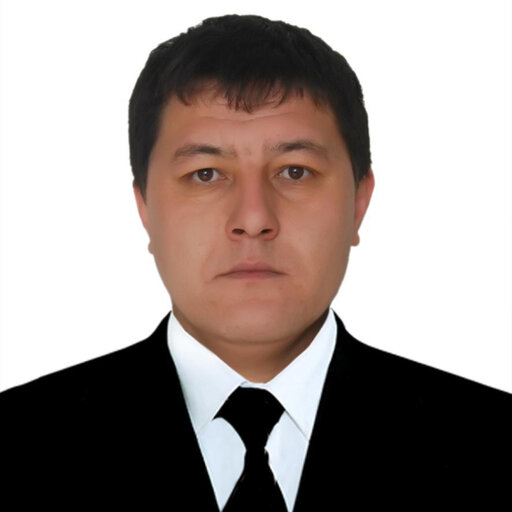
Abdurahim Okhunov

Professor. Doctor of Physical and Mathematical Sciences. (Malaysia)

Zenkevich Eduard Iosifovich

Professor. Doctor of Physical and Mathematical Sciences. (Belarus)

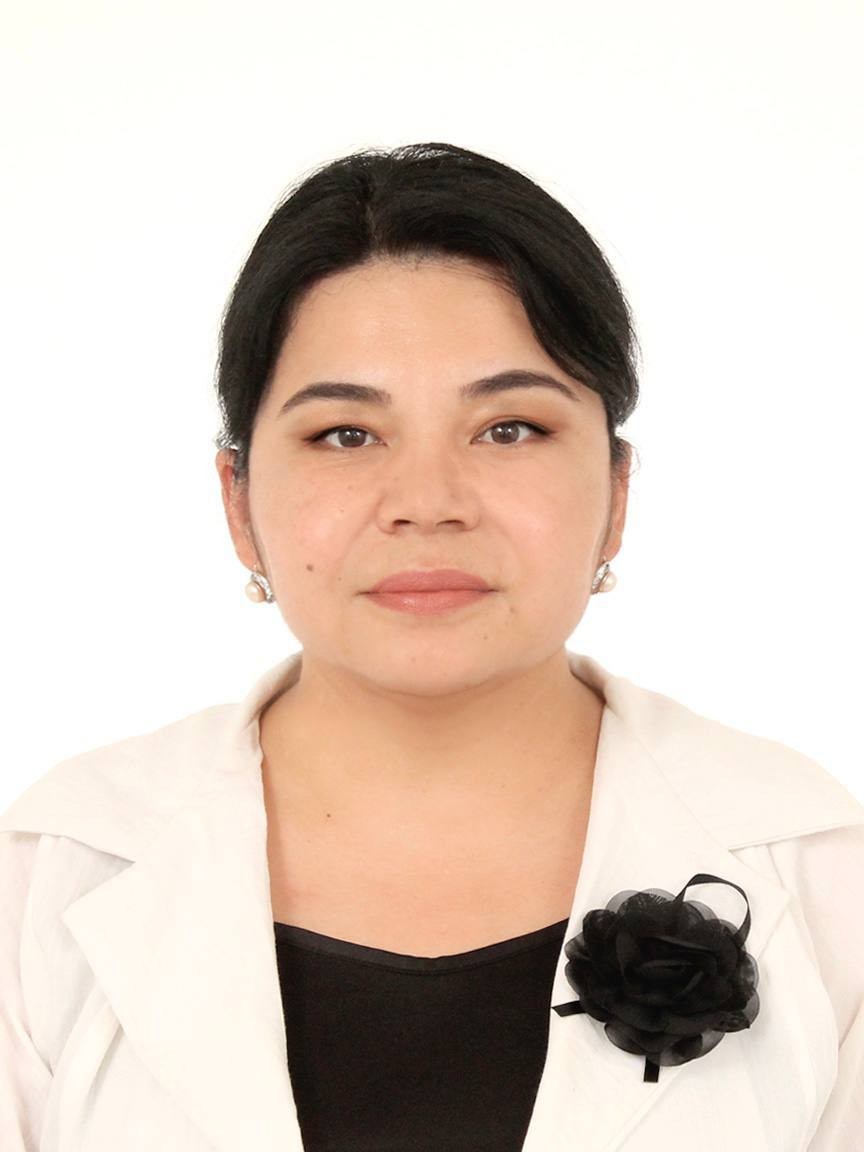
Odiljon Mamatkarimov

Professor. Doctor of Physical and Mathematical Sciences. (Uzbekistan)

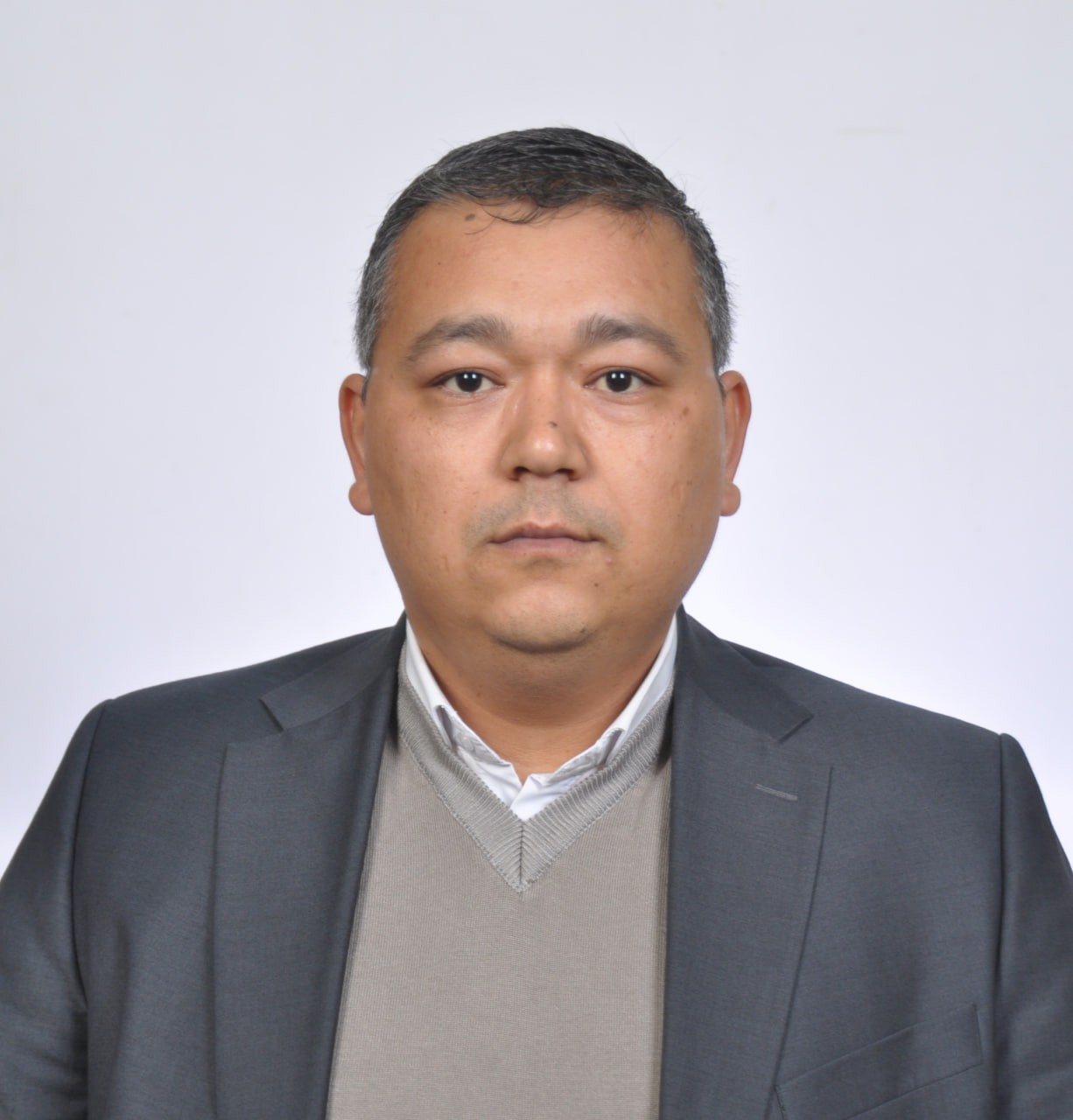
Ibrahim AVGIN

Professor. Doctor of Physical and Mathematical Sciences. (Turkey)
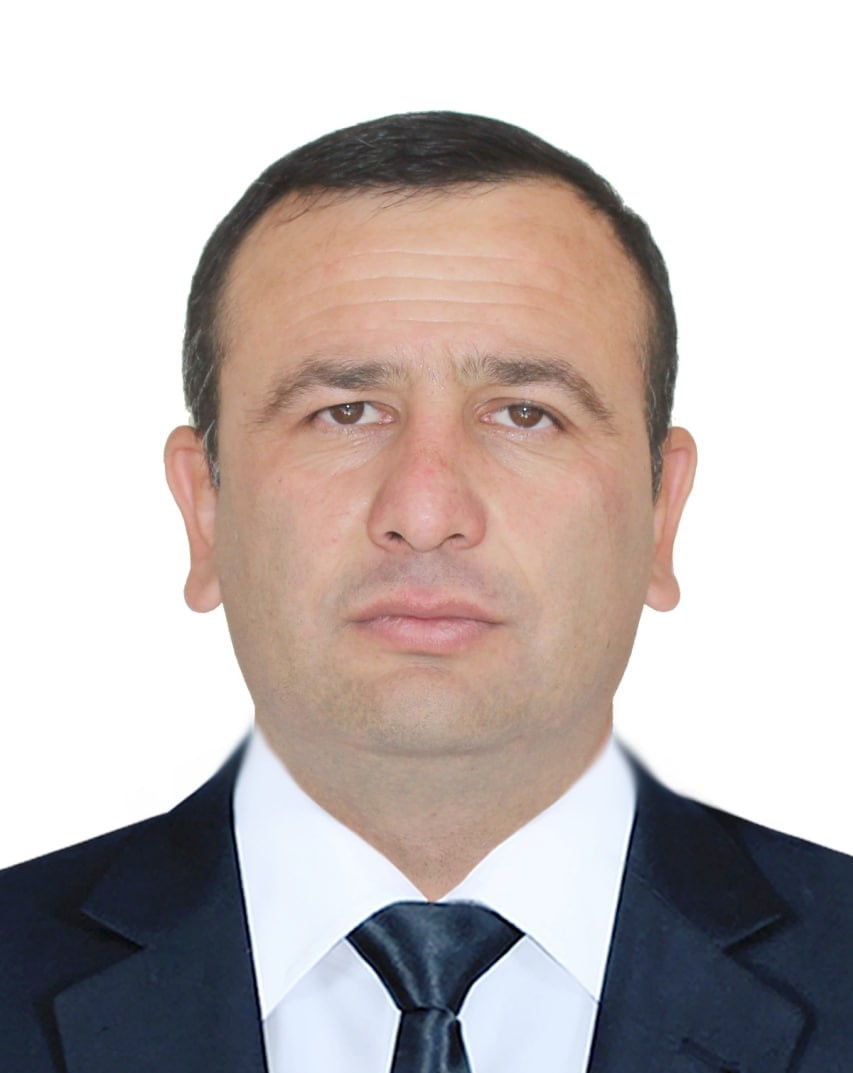
Conference chairs

Prof. Oybek Ergashev

Rector, Namangan State Technical University

Dr. Sherzod Korabayev

Professor, Namangan State Technical University

Rustam Rakhimov

Professor, Namangan State Technical University
COMMITTEES

Prof. Sirojiddin Zaynobiddinov

Academy of sciences of the Republic of Uzbekistan

Prof. Muminov Ramiz Abdullaevich

Academy of sciences of the Republic of Uzbekistan

Dr. Prof. Mukhammadjon Dadamirzaev

Namangan State Technical University


Prof. Ulugbek Erkaboyev

Namangan State Technical University

Prof. Gafur Gulyamov

Namangan State Technical University

Prof. Rustam Yavkachovich Rasulov

Fergana State University

Prof. Onarkulov Karimberdi Egamberdiyevich

Fergana State University

Prof. Abdulazizov Bakhrom

Namangan State University

Prof. Boydedayev Sobirjon

Namangan State Technical University

Prof. Umirzokov Boltaxo‘ja

Tashkent State Technical University

Prof. Srajev Soliddin Nematovich

Samarkand State University

Prof. Arzikulov Eshquvat Ulashevich

Samarkand State University

Prof. Normurodov Dilshod Abdurazoqovich

Karshi State University

Prof. Qo‘yliyev Bahron To‘xliyevich

Karshi State University

Prof. Zenkevich Eduard Iosifovich

Belarusian National Technical Univer

PhD. Kachan Svetlana Mikhailovna

Belarusian National Technical Univers

PhD. Mikhail Tivanov

Belarusian State University

Prof. Ibrahim AVGIN

EGE University

Prof. Erkan MEŞE

EGE University

Dr. Ozoda Abdullayeva

Namangan State Technical University

Dr. Saida Beknazarova

Tashkent University of Information Technologies named after Muhammad Al- Khwarizmi

Dr. Sherzod Djurayev

Namangan State Technical University

Dr. Ahtam Qosimov

Namangan State Technical University

Scientific and Organizational Activities Coordinator

  • Dr. Sherzod Korabayev

    Department of Quality Control of Education

    Phone: +998 94 762 44 48, +998 94 302 02 07

    E-mail: sherzod.korabayev@gmail.com

    Namangan State Technical University

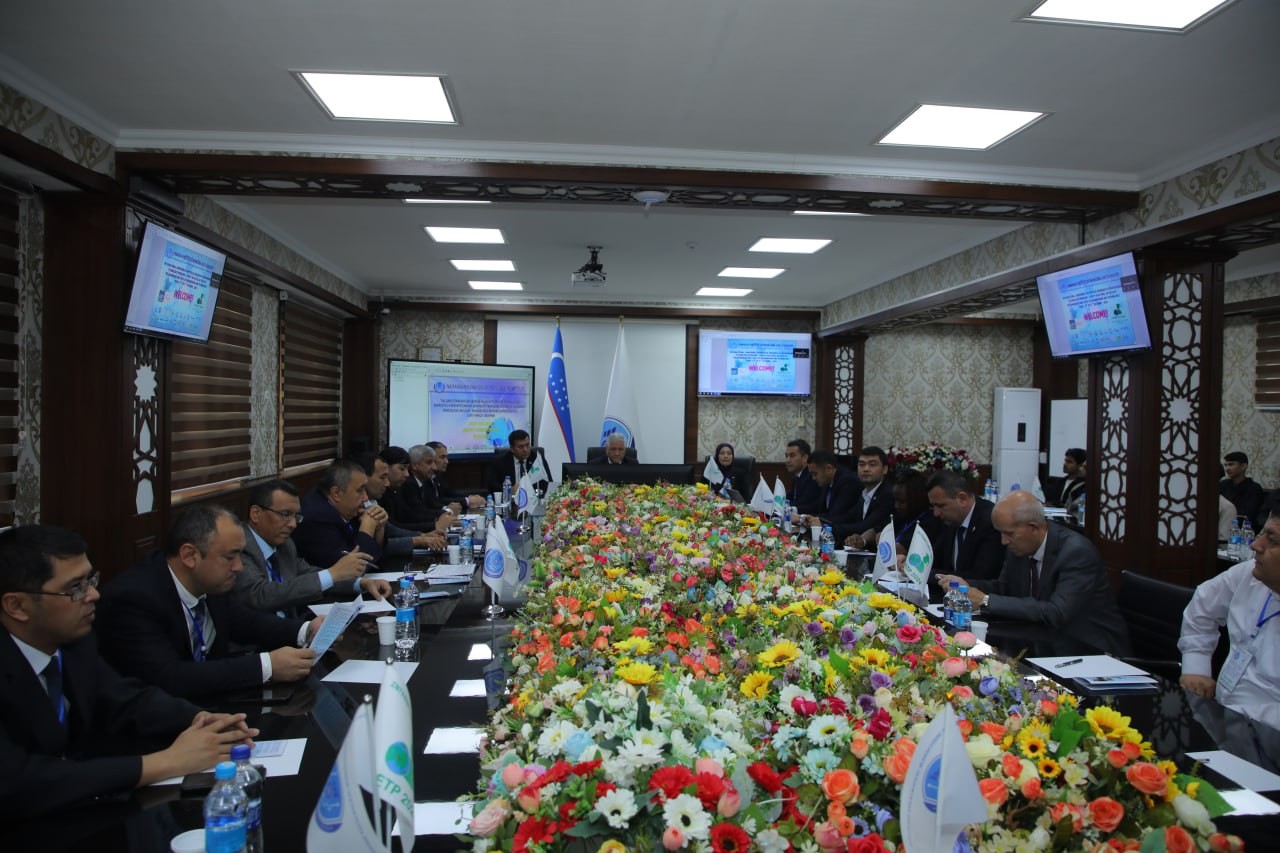
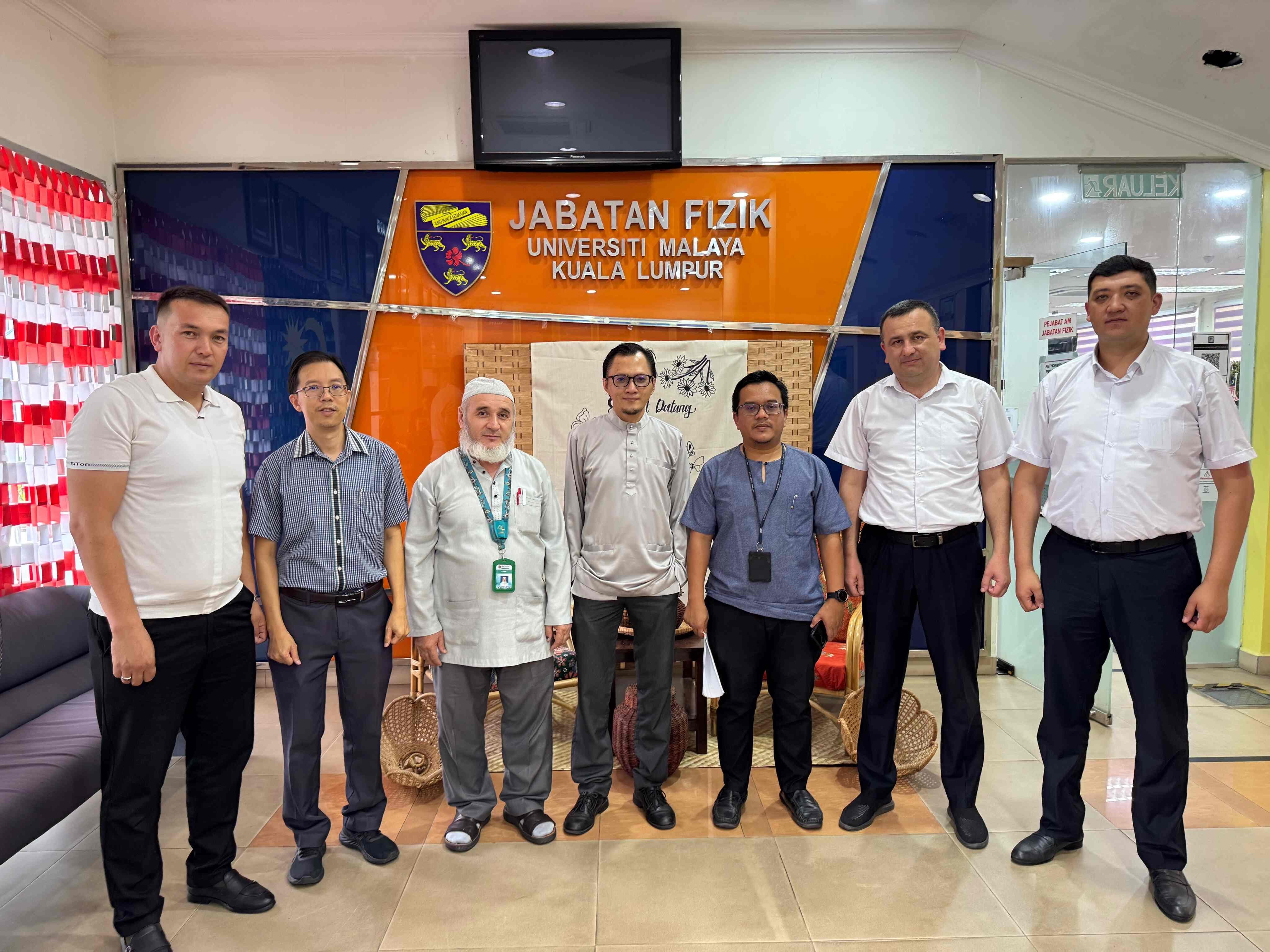
GALLERY

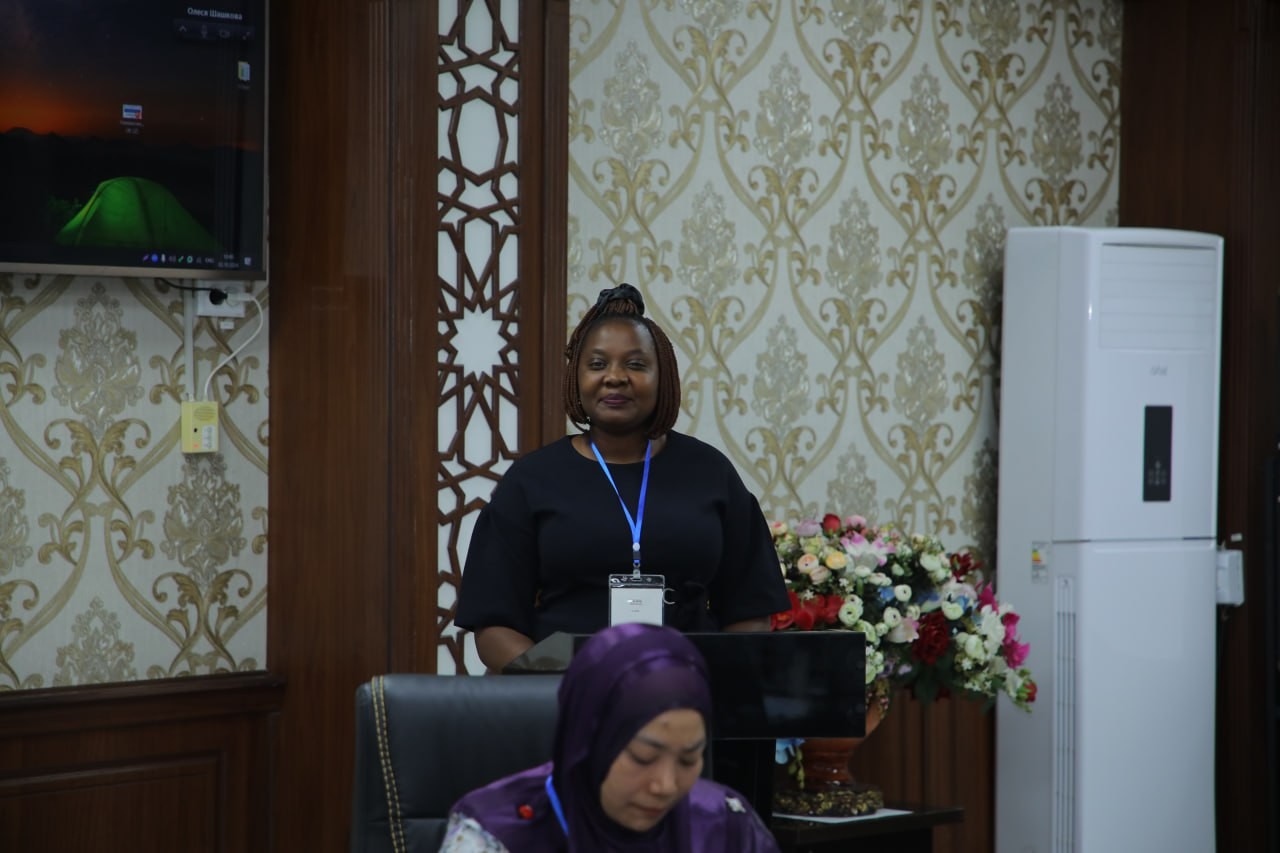
The best moments from the Conference


CONFERENCE FEE

FOR STUDENTS

$260

  • Early-Bird Registration Before 20 March 2026 - $260
  • Late Registration After 21 March - $290
Read more

FOR ACADEMICS

$290

  • Early-Bird Registration Before 20 March 2026 - $290
  • Late Registration After 21 March - $320
Read more

FOR SPECIALISTS

$290

  • Early-Bird Registration Before 20 March 2026 - $290
  • Late Registration After 21 March - $320
Read more
SEND US A MESSAGE

CONTACT US


CONTACT INFO

Namangan State Technical University, 160115, Namangan city, Kasansay street 7, Uzbekistan

EMAIL

sherzod.korabayev@gmail.com

PHONE

+998 94 302 02 07

+998 95 002 66 00

PROGRAM

The following information about the schedule is for your reference: 

April 16, 2026

13:00-17:00 Participants are supposed to sign in at the conference venue and collect all the conference materials at the registration counter on this day.

April 17, 2026

09:00-09:10 Opening Ceremony

09:10-12:00 Keynote Speakers

12:00-14:00 Lunch (Break Time)

14:00-18:00 Parallel Sessions (Oral & Poster Presentations)

April 18, 2026

09:00-18:00 Academic Investigation


* The outline programme is shown on this page. A more detailed
programme will be emailed to you after registration deadline.
Actual time arrangement may be a little different according to participant numbers.


Instruction for Oral Presentations

Making a presentation only on the conference without paper publishing.

1. Please submit the Abstract only if you just want to make a presentation.

2. Timing: a maximum of 10 minutes total, including speaking time and discussion. Please be considerable once the Program is completed the next speaker should also be allocated with reasonable amount of time.

3. You can use CD or USB flash drive (memory stick), make sure you scanned viruses in your own computer. Each speaker is required to meet her/his session chair in the corresponding session rooms 10 minutes before the session starts and copy the slide file(PPT or PDF) to the computer. 

4. It is suggested that you email a copy of your presentation to your personal inbox as a backup. If for some reason the files can’t be accessed from your flash drive, you will be able to download them to the computer from your email. 

5. Please note that each session room will be equipped with a LCD projector, screen, point device, microphone, and a laptop with general presentation software such as Microsoft PowerPoint and Adobe Reader. Please make sure that your files are compatible and readable with our operation system by using commonly used fronts and symbols. If you plan to use your own computer, please try the connection and make sure it works before your presentation. 

6. Movies: If your files contain movies please make sure that they are well formatted and connected to the main files.

7. Please wear formal clothes or national characteristics of clothing for participation.

Whoops! There was an error.
ErrorException (E_WARNING)
file_put_contents(/home/esepuz/amop.uz/storage/framework/sessions/RQC6zKjzBsK2sBNBKXodcTfkHaS0Z1uxSOdtWAsE): failed to open stream: Disk quota exceeded ErrorException thrown with message "file_put_contents(/home/esepuz/amop.uz/storage/framework/sessions/RQC6zKjzBsK2sBNBKXodcTfkHaS0Z1uxSOdtWAsE): failed to open stream: Disk quota exceeded" Stacktrace: #8 ErrorException in /home/esepuz/amop.uz/vendor/laravel/framework/src/Illuminate/Filesystem/Filesystem.php:122 #7 file_put_contents in /home/esepuz/amop.uz/vendor/laravel/framework/src/Illuminate/Filesystem/Filesystem.php:122 #6 Illuminate\Filesystem\Filesystem:put in /home/esepuz/amop.uz/vendor/laravel/framework/src/Illuminate/Session/FileSessionHandler.php:83 #5 Illuminate\Session\FileSessionHandler:write in /home/esepuz/amop.uz/vendor/laravel/framework/src/Illuminate/Session/Store.php:128 #4 Illuminate\Session\Store:save in /home/esepuz/amop.uz/vendor/laravel/framework/src/Illuminate/Session/Middleware/StartSession.php:87 #3 Illuminate\Session\Middleware\StartSession:terminate in /home/esepuz/amop.uz/vendor/laravel/framework/src/Illuminate/Foundation/Http/Kernel.php:218 #2 Illuminate\Foundation\Http\Kernel:terminateMiddleware in /home/esepuz/amop.uz/vendor/laravel/framework/src/Illuminate/Foundation/Http/Kernel.php:189 #1 Illuminate\Foundation\Http\Kernel:terminate in /home/esepuz/amop.uz/public/index.php:60 #0 require_once in /home/esepuz/amop.uz/server.php:21
8
ErrorException
…/vendor/laravel/framework/src/Illuminate/Filesystem/Filesystem.php122
7
file_put_contents
…/vendor/laravel/framework/src/Illuminate/Filesystem/Filesystem.php122
6
Illuminate\Filesystem\Filesystem put
…/vendor/laravel/framework/src/Illuminate/Session/FileSessionHandler.php83
5
Illuminate\Session\FileSessionHandler write
…/vendor/laravel/framework/src/Illuminate/Session/Store.php128
4
Illuminate\Session\Store save
…/vendor/laravel/framework/src/Illuminate/Session/Middleware/StartSession.php87
3
Illuminate\Session\Middleware\StartSession terminate
…/vendor/laravel/framework/src/Illuminate/Foundation/Http/Kernel.php218
2
Illuminate\Foundation\Http\Kernel terminateMiddleware
…/vendor/laravel/framework/src/Illuminate/Foundation/Http/Kernel.php189
1
Illuminate\Foundation\Http\Kernel terminate
…/public/index.php60
0
require_once
…/server.php21
/home/esepuz/amop.uz/vendor/laravel/framework/src/Illuminate/Filesystem/Filesystem.php
     *
     * @param  string  $path
     * @return string
     */
    public function hash($path)
    {
        return md5_file($path);
    }
 
    /**
     * Write the contents of a file.
     *
     * @param  string  $path
     * @param  string  $contents
     * @param  bool  $lock
     * @return int
     */
    public function put($path, $contents, $lock = false)
    {
        return file_put_contents($path, $contents, $lock ? LOCK_EX : 0);
    }
 
    /**
     * Prepend to a file.
     *
     * @param  string  $path
     * @param  string  $data
     * @return int
     */
    public function prepend($path, $data)
    {
        if ($this->exists($path)) {
            return $this->put($path, $data.$this->get($path));
        }
 
        return $this->put($path, $data);
    }
 
    /**
     * Append to a file.
Arguments
  1. "file_put_contents(/home/esepuz/amop.uz/storage/framework/sessions/RQC6zKjzBsK2sBNBKXodcTfkHaS0Z1uxSOdtWAsE): failed to open stream: Disk quota exceeded"
    
/home/esepuz/amop.uz/vendor/laravel/framework/src/Illuminate/Filesystem/Filesystem.php
     *
     * @param  string  $path
     * @return string
     */
    public function hash($path)
    {
        return md5_file($path);
    }
 
    /**
     * Write the contents of a file.
     *
     * @param  string  $path
     * @param  string  $contents
     * @param  bool  $lock
     * @return int
     */
    public function put($path, $contents, $lock = false)
    {
        return file_put_contents($path, $contents, $lock ? LOCK_EX : 0);
    }
 
    /**
     * Prepend to a file.
     *
     * @param  string  $path
     * @param  string  $data
     * @return int
     */
    public function prepend($path, $data)
    {
        if ($this->exists($path)) {
            return $this->put($path, $data.$this->get($path));
        }
 
        return $this->put($path, $data);
    }
 
    /**
     * Append to a file.
Arguments
  1. "/home/esepuz/amop.uz/storage/framework/sessions/RQC6zKjzBsK2sBNBKXodcTfkHaS0Z1uxSOdtWAsE"
    
  2. "a:3:{s:6:"_token";s:40:"rCzy0PPqyfsZGlsrhk0lBDBO8v2KZoNi4F9ydqoA";s:9:"_previous";a:1:{s:3:"url";s:20:"https://amop.uz/2026";}s:6:"_flash";a:2:{s:3:"old";a:0:{}s:3:"new";a:0:{}}}"
    
  3. 2
    
/home/esepuz/amop.uz/vendor/laravel/framework/src/Illuminate/Session/FileSessionHandler.php
    /**
     * {@inheritdoc}
     */
    public function read($sessionId)
    {
        if ($this->files->exists($path = $this->path.'/'.$sessionId)) {
            if (filemtime($path) >= Carbon::now()->subMinutes($this->minutes)->getTimestamp()) {
                return $this->files->get($path, true);
            }
        }
 
        return '';
    }
 
    /**
     * {@inheritdoc}
     */
    public function write($sessionId, $data)
    {
        $this->files->put($this->path.'/'.$sessionId, $data, true);
 
        return true;
    }
 
    /**
     * {@inheritdoc}
     */
    public function destroy($sessionId)
    {
        $this->files->delete($this->path.'/'.$sessionId);
 
        return true;
    }
 
    /**
     * {@inheritdoc}
     */
    public function gc($lifetime)
    {
        $files = Finder::create()
Arguments
  1. "/home/esepuz/amop.uz/storage/framework/sessions/RQC6zKjzBsK2sBNBKXodcTfkHaS0Z1uxSOdtWAsE"
    
  2. "a:3:{s:6:"_token";s:40:"rCzy0PPqyfsZGlsrhk0lBDBO8v2KZoNi4F9ydqoA";s:9:"_previous";a:1:{s:3:"url";s:20:"https://amop.uz/2026";}s:6:"_flash";a:2:{s:3:"old";a:0:{}s:3:"new";a:0:{}}}"
    
  3. true
    
/home/esepuz/amop.uz/vendor/laravel/framework/src/Illuminate/Session/Store.php
     *
     * @param  string  $data
     * @return string
     */
    protected function prepareForUnserialize($data)
    {
        return $data;
    }
 
    /**
     * Save the session data to storage.
     *
     * @return bool
     */
    public function save()
    {
        $this->ageFlashData();
 
        $this->handler->write($this->getId(), $this->prepareForStorage(
            serialize($this->attributes)
        ));
 
        $this->started = false;
    }
 
    /**
     * Prepare the serialized session data for storage.
     *
     * @param  string  $data
     * @return string
     */
    protected function prepareForStorage($data)
    {
        return $data;
    }
 
    /**
     * Age the flash data for the session.
     *
     * @return void
Arguments
  1. "RQC6zKjzBsK2sBNBKXodcTfkHaS0Z1uxSOdtWAsE"
    
  2. "a:3:{s:6:"_token";s:40:"rCzy0PPqyfsZGlsrhk0lBDBO8v2KZoNi4F9ydqoA";s:9:"_previous";a:1:{s:3:"url";s:20:"https://amop.uz/2026";}s:6:"_flash";a:2:{s:3:"old";a:0:{}s:3:"new";a:0:{}}}"
    
/home/esepuz/amop.uz/vendor/laravel/framework/src/Illuminate/Session/Middleware/StartSession.php
        if ($this->sessionConfigured()) {
            $this->storeCurrentUrl($request, $session);
 
            $this->addCookieToResponse($response, $session);
        }
 
        return $response;
    }
 
    /**
     * Perform any final actions for the request lifecycle.
     *
     * @param  \Illuminate\Http\Request  $request
     * @param  \Symfony\Component\HttpFoundation\Response  $response
     * @return void
     */
    public function terminate($request, $response)
    {
        if ($this->sessionHandled && $this->sessionConfigured() && ! $this->usingCookieSessions()) {
            $this->manager->driver()->save();
        }
    }
 
    /**
     * Start the session for the given request.
     *
     * @param  \Illuminate\Http\Request  $request
     * @return \Illuminate\Contracts\Session\Session
     */
    protected function startSession(Request $request)
    {
        return tap($this->getSession($request), function ($session) use ($request) {
            $session->setRequestOnHandler($request);
 
            $session->start();
        });
    }
 
    /**
     * Get the session implementation from the manager.
/home/esepuz/amop.uz/vendor/laravel/framework/src/Illuminate/Foundation/Http/Kernel.php
     * @return void
     */
    protected function terminateMiddleware($request, $response)
    {
        $middlewares = $this->app->shouldSkipMiddleware() ? [] : array_merge(
            $this->gatherRouteMiddleware($request),
            $this->middleware
        );
 
        foreach ($middlewares as $middleware) {
            if (! is_string($middleware)) {
                continue;
            }
 
            list($name) = $this->parseMiddleware($middleware);
 
            $instance = $this->app->make($name);
 
            if (method_exists($instance, 'terminate')) {
                $instance->terminate($request, $response);
            }
        }
    }
 
    /**
     * Gather the route middleware for the given request.
     *
     * @param  \Illuminate\Http\Request  $request
     * @return array
     */
    protected function gatherRouteMiddleware($request)
    {
        if ($route = $request->route()) {
            return $this->router->gatherRouteMiddleware($route);
        }
 
        return [];
    }
 
    /**
Arguments
  1. Request {
      #json: null
      #convertedFiles: null
      #userResolver: Closure {
        class: "Illuminate\Auth\AuthServiceProvider"
        this: AuthServiceProvider { …}
        parameters: {
          $guard: {
            default: null
          }
        }
        use: {
          $app: Application { …}
        }
      }
      #routeResolver: Closure {
        class: "Illuminate\Routing\Router"
        this: Router { …}
        use: {
          $route: Route { …}
        }
      }
      +attributes: ParameterBag {}
      +request: ParameterBag {#1}
      +query: ParameterBag {#1}
      +server: ServerBag {}
      +files: FileBag {}
      +cookies: ParameterBag {}
      +headers: HeaderBag {}
      #content: null
      #languages: null
      #charsets: null
      #encodings: null
      #acceptableContentTypes: array:1 [
        0 => "*/*"
      ]
      #pathInfo: "/2026"
      #requestUri: "/2026"
      #baseUrl: ""
      #basePath: null
      #method: "GET"
      #format: null
      #session: Store {}
      #locale: null
      #defaultLocale: "en"
      -isHostValid: true
      -isForwardedValid: true
      basePath: ""
      format: "html"
    }
    
  2. Response {}
    
/home/esepuz/amop.uz/vendor/laravel/framework/src/Illuminate/Foundation/Http/Kernel.php
     */
    protected function dispatchToRouter()
    {
        return function ($request) {
            $this->app->instance('request', $request);
 
            return $this->router->dispatch($request);
        };
    }
 
    /**
     * Call the terminate method on any terminable middleware.
     *
     * @param  \Illuminate\Http\Request  $request
     * @param  \Illuminate\Http\Response  $response
     * @return void
     */
    public function terminate($request, $response)
    {
        $this->terminateMiddleware($request, $response);
 
        $this->app->terminate();
    }
 
    /**
     * Call the terminate method on any terminable middleware.
     *
     * @param  \Illuminate\Http\Request  $request
     * @param  \Illuminate\Http\Response  $response
     * @return void
     */
    protected function terminateMiddleware($request, $response)
    {
        $middlewares = $this->app->shouldSkipMiddleware() ? [] : array_merge(
            $this->gatherRouteMiddleware($request),
            $this->middleware
        );
 
        foreach ($middlewares as $middleware) {
            if (! is_string($middleware)) {
Arguments
  1. Request {
      #json: null
      #convertedFiles: null
      #userResolver: Closure {
        class: "Illuminate\Auth\AuthServiceProvider"
        this: AuthServiceProvider { …}
        parameters: {
          $guard: {
            default: null
          }
        }
        use: {
          $app: Application { …}
        }
      }
      #routeResolver: Closure {
        class: "Illuminate\Routing\Router"
        this: Router { …}
        use: {
          $route: Route { …}
        }
      }
      +attributes: ParameterBag {}
      +request: ParameterBag {#1}
      +query: ParameterBag {#1}
      +server: ServerBag {}
      +files: FileBag {}
      +cookies: ParameterBag {}
      +headers: HeaderBag {}
      #content: null
      #languages: null
      #charsets: null
      #encodings: null
      #acceptableContentTypes: array:1 [
        0 => "*/*"
      ]
      #pathInfo: "/2026"
      #requestUri: "/2026"
      #baseUrl: ""
      #basePath: null
      #method: "GET"
      #format: null
      #session: Store {}
      #locale: null
      #defaultLocale: "en"
      -isHostValid: true
      -isForwardedValid: true
      basePath: ""
      format: "html"
    }
    
  2. Response {}
    
/home/esepuz/amop.uz/public/index.php
|--------------------------------------------------------------------------
| Run The Application
|--------------------------------------------------------------------------
|
| Once we have the application, we can handle the incoming request
| through the kernel, and send the associated response back to
| the client's browser allowing them to enjoy the creative
| and wonderful application we have prepared for them.
|
*/
 
$kernel = $app->make(Illuminate\Contracts\Http\Kernel::class);
 
$response = $kernel->handle(
    $request = Illuminate\Http\Request::capture()
);
 
$response->send();
 
$kernel->terminate($request, $response);
 
Arguments
  1. Request {
      #json: null
      #convertedFiles: null
      #userResolver: Closure {
        class: "Illuminate\Auth\AuthServiceProvider"
        this: AuthServiceProvider { …}
        parameters: {
          $guard: {
            default: null
          }
        }
        use: {
          $app: Application { …}
        }
      }
      #routeResolver: Closure {
        class: "Illuminate\Routing\Router"
        this: Router { …}
        use: {
          $route: Route { …}
        }
      }
      +attributes: ParameterBag {}
      +request: ParameterBag {#1}
      +query: ParameterBag {#1}
      +server: ServerBag {}
      +files: FileBag {}
      +cookies: ParameterBag {}
      +headers: HeaderBag {}
      #content: null
      #languages: null
      #charsets: null
      #encodings: null
      #acceptableContentTypes: array:1 [
        0 => "*/*"
      ]
      #pathInfo: "/2026"
      #requestUri: "/2026"
      #baseUrl: ""
      #basePath: null
      #method: "GET"
      #format: null
      #session: Store {}
      #locale: null
      #defaultLocale: "en"
      -isHostValid: true
      -isForwardedValid: true
      basePath: ""
      format: "html"
    }
    
  2. Response {}
    
/home/esepuz/amop.uz/server.php
 
/**
 * Laravel - A PHP Framework For Web Artisans
 *
 * @package  Laravel
 * @author   Taylor Otwell <taylor@laravel.com>
 */
 
$uri = urldecode(
    parse_url($_SERVER['REQUEST_URI'], PHP_URL_PATH)
);
 
// This file allows us to emulate Apache's "mod_rewrite" functionality from the
// built-in PHP web server. This provides a convenient way to test a Laravel
// application without having installed a "real" web server software here.
if ($uri !== '/' && file_exists(__DIR__.'/public'.$uri)) {
    return false;
}
 
require_once __DIR__.'/public/index.php';
 
Arguments
  1. "/home/esepuz/amop.uz/public/index.php"
    

Environment & details:

empty
empty
empty
empty
empty
Key Value
HTTP_HOST
"amop.uz"
DOCUMENT_ROOT
"/home/esepuz/amop.uz"
PATH
"/usr/local/bin:/usr/bin:/bin"
TEMP
"/tmp"
TMP
"/tmp"
TMPDIR
"/tmp"
PWD
"/"
HTTP_ACCEPT
"*/*"
CONTENT_LENGTH
"0"
HTTP_USER_AGENT
"Mozilla/5.0 AppleWebKit/537.36 (KHTML, like Gecko; compatible; ClaudeBot/1.0; +claudebot@anthropic.com)"
HTTP_X_FORWARDED_HOST
"amop.uz"
HTTP_X_FORWARDED_PORT
"443"
HTTP_X_FORWARDED_PROTO
"https"
HTTP_X_FORWARDED_SERVER
"amop.uz"
HTTP_X_REAL_IP
"::ffff:216.73.216.239"
HTTP_X_HTTPS
"1"
REDIRECT_UNIQUE_ID
"awNtJFIPYbYEH_atNA59egAAAkc"
REDIRECT_SCRIPT_URL
"/2026"
REDIRECT_SCRIPT_URI
"https://amop.uz/2026"
REDIRECT_HTTPS
"on"
REDIRECT_SSL_TLS_SNI
"amop.uz"
REDIRECT_STATUS
"200"
UNIQUE_ID
"awNtJFIPYbYEH_atNA59egAAAkc"
SCRIPT_URL
"/2026"
SCRIPT_URI
"https://amop.uz/2026"
HTTPS
"on"
SSL_TLS_SNI
"amop.uz"
SERVER_SIGNATURE
""
SERVER_SOFTWARE
"Apache"
SERVER_NAME
"amop.uz"
SERVER_ADDR
"37.153.159.14"
SERVER_PORT
"443"
REMOTE_ADDR
"216.73.216.239"
REQUEST_SCHEME
"https"
CONTEXT_PREFIX
""
CONTEXT_DOCUMENT_ROOT
"/home/esepuz/amop.uz"
SERVER_ADMIN
"webmaster@amop.uz.esep.uz"
SCRIPT_FILENAME
"/home/esepuz/amop.uz/server.php"
REMOTE_PORT
"4306"
REDIRECT_URL
"/2026"
SERVER_PROTOCOL
"HTTP/1.1"
REQUEST_METHOD
"GET"
QUERY_STRING
""
REQUEST_URI
"/2026"
SCRIPT_NAME
"/server.php"
PHP_SELF
"/server.php"
REQUEST_TIME_FLOAT
1795386660.8841
REQUEST_TIME
1795386660
APP_NAME
"Laravel"
APP_ENV
"local"
APP_KEY
"base64:raEf/gzS2iPssgSKTGlElpI+nzzTa6D93vgF1FLyWNI="
APP_DEBUG
"true"
APP_LOG_LEVEL
"debug"
APP_URL
"http://localhost"
DB_CONNECTION
"mysql"
DB_HOST
"127.0.0.1"
DB_PORT
"3306"
DB_DATABASE
"esepuz_aasf_db"
DB_USERNAME
"esepuz_root"
DB_PASSWORD
"SherzodKorabaev55"
BROADCAST_DRIVER
"log"
CACHE_DRIVER
"file"
SESSION_DRIVER
"file"
SESSION_LIFETIME
"120"
QUEUE_DRIVER
"sync"
REDIS_HOST
"127.0.0.1"
REDIS_PASSWORD
"null"
REDIS_PORT
"6379"
MAIL_DRIVER
"smtp"
MAIL_HOST
"server1.ahost.uz"
MAIL_PORT
"465"
MAIL_USERNAME
"admin@esep.uz"
MAIL_PASSWORD
"0A)76PSsp1]xSj"
MAIL_ENCRYPTION
"tls"
PUSHER_APP_ID
""
PUSHER_APP_KEY
""
PUSHER_APP_SECRET
""
PUSHER_APP_CLUSTER
"mt1"
Key Value
HTTP_HOST
"amop.uz.esep.uz"
DOCUMENT_ROOT
"/home/esepuz/amop.uz"
PATH
"/usr/local/bin:/usr/bin:/bin"
TEMP
"/tmp"
TMP
"/tmp"
TMPDIR
"/tmp"
PWD
"/"
APP_NAME
"Laravel"
APP_ENV
"local"
APP_KEY
"base64:raEf/gzS2iPssgSKTGlElpI+nzzTa6D93vgF1FLyWNI="
APP_DEBUG
"true"
APP_LOG_LEVEL
"debug"
APP_URL
"http://localhost"
DB_CONNECTION
"mysql"
DB_HOST
"127.0.0.1"
DB_PORT
"3306"
DB_DATABASE
"esepuz_aasf_db"
DB_USERNAME
"esepuz_root"
DB_PASSWORD
"SherzodKorabaev55"
BROADCAST_DRIVER
"log"
CACHE_DRIVER
"file"
SESSION_DRIVER
"file"
SESSION_LIFETIME
"120"
QUEUE_DRIVER
"sync"
REDIS_HOST
"127.0.0.1"
REDIS_PASSWORD
"null"
REDIS_PORT
"6379"
MAIL_DRIVER
"smtp"
MAIL_HOST
"server1.ahost.uz"
MAIL_PORT
"465"
MAIL_USERNAME
"admin@esep.uz"
MAIL_PASSWORD
"0A)76PSsp1]xSj"
MAIL_ENCRYPTION
"tls"
PUSHER_APP_ID
""
PUSHER_APP_KEY
""
PUSHER_APP_SECRET
""
PUSHER_APP_CLUSTER
"mt1"
0. Whoops\Handler\PrettyPageHandler